Play Group (for 2 to 3 years Kids)
Glimpse into Our Playgroup Program
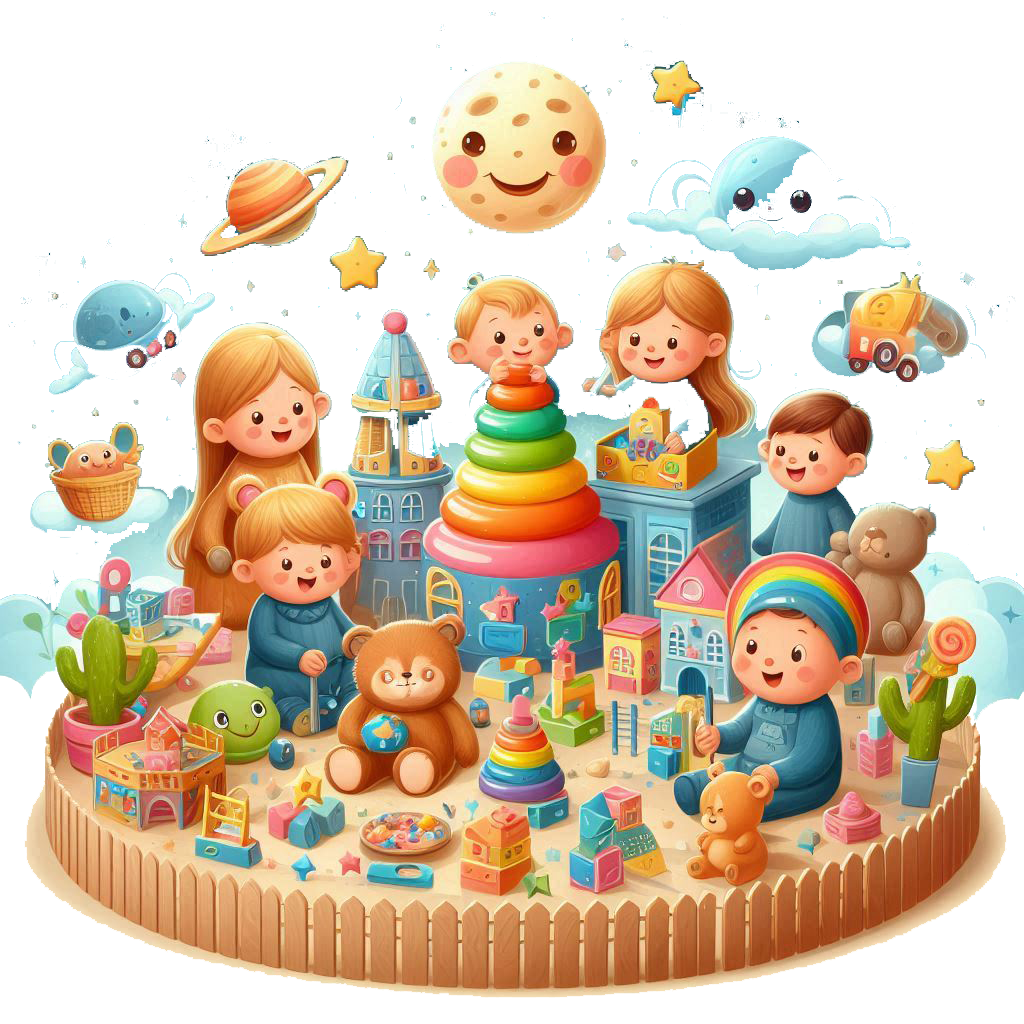
Our Playgroup program is designed to provide a nurturing and stimulating environment where young minds can flourish. This crucial phase marks a child's first step outside their home, embarking on a journey of discovery & socialization. At Kids Castle, we aim to make this transition smooth & joyful by creating a sense of belonging, fostering friendships & strengthening the bond between students & teachers.
Instead of traditional instruction, our approach emphasizes experiential learning through theme-based play activities. These engaging experiences ignite curiosity, boost creativity & make learning enjoyable. By incorporating the Montessori method, we encourage children to develop gross motor skills, enhancing their physical coordination & confidence, laying a strong foundation for future growth.
Age Group
Suitable for children aged 2 to 3 years
Student-Teacher Ratio
Maintained at an optimal 1:12 to ensure personalized attention and care
Session Timings
Daily sessions lasting 2 hours, designed to maximize engagement without overwhelming young minds
Key Focus Areas for Your Child
Our Playgroup program is thoughtfully designed to nurture holistic development, focusing on the following essential areas:
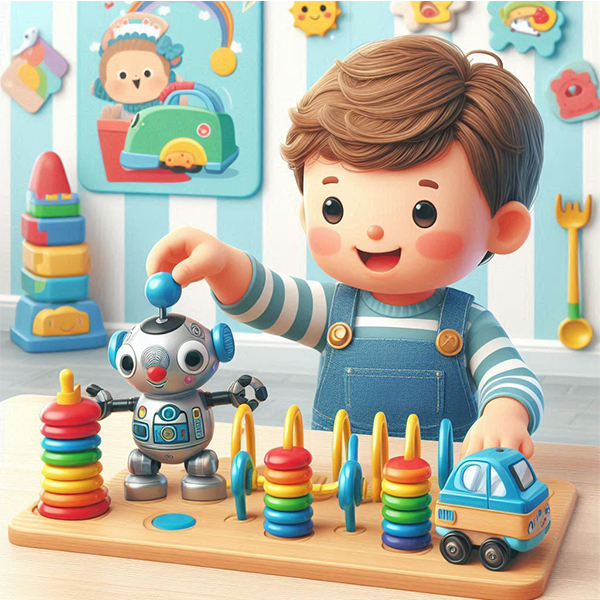
Motor Skills Development
- Gross Motor Skills: Activities like running, jumping, dancing, and climbing to strengthen large muscles and coordination. These activities improve balance, agility, and spatial awareness, helping children develop better posture and overall body control. Engaging in group activities like relay races or obstacle courses also enhances teamwork and social interaction.
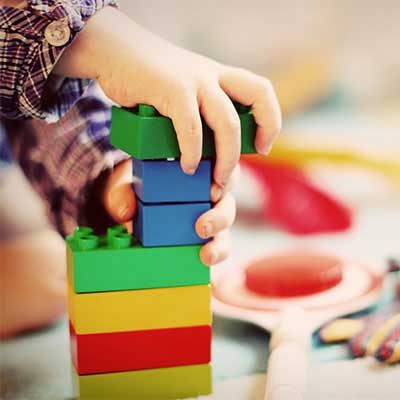
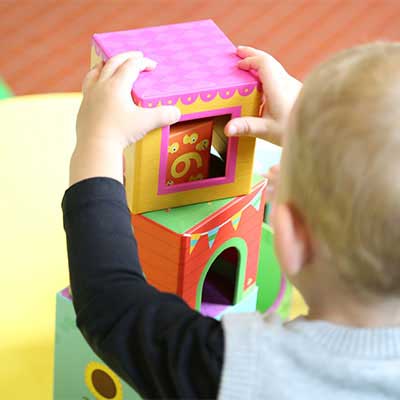
- Fine Motor Skills: Simple tasks like stacking blocks, drawing with crayons, or stringing large beads to improve hand-eye coordination and dexterity. Practicing these skills helps in building finger strength and precision, which are essential for writing, typing, and daily tasks. Activities like cutting with scissors or molding clay further refine motor control and creativity.
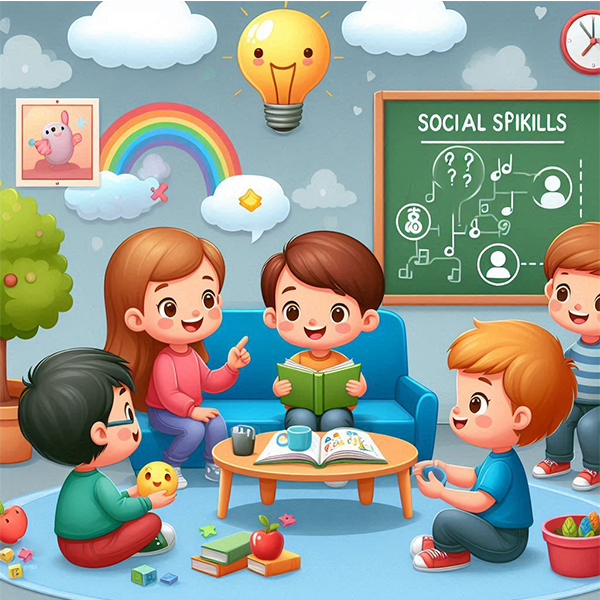
Social and Emotional Skills
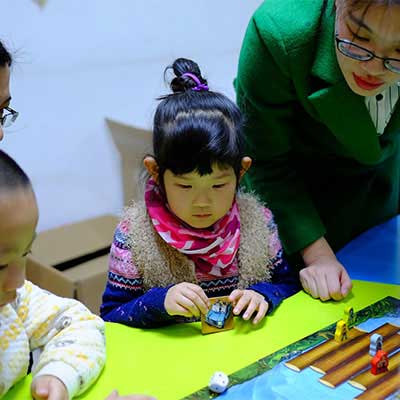
- Sharing and Taking Turns: Encourage play that involves sharing toys or taking turns in activities. This fosters patience, cooperation, and empathy, helping children build strong social connections and positive relationships.
- Basic Manners: Teaching simple words like "please," "thank you," and "sorry." Reinforcing these manners in daily interactions helps children develop respect for others and improves their communication skills in social settings.
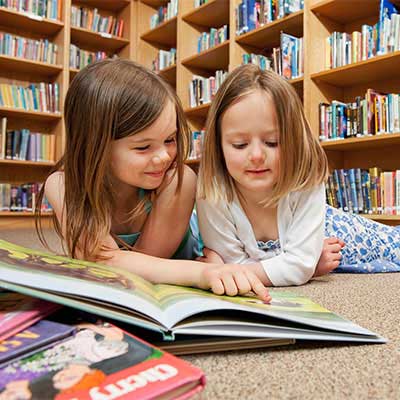
- Recognizing Emotions: Help children identify and name their emotions (happy, sad, angry) through stories and simple discussions. Engaging in role-playing or expressive activities like drawing and storytelling allows children to process and express their feelings in a healthy way.
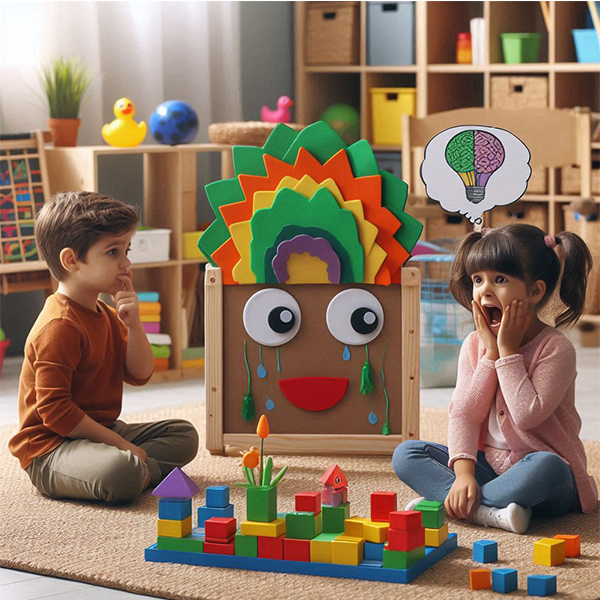
Creative Expression
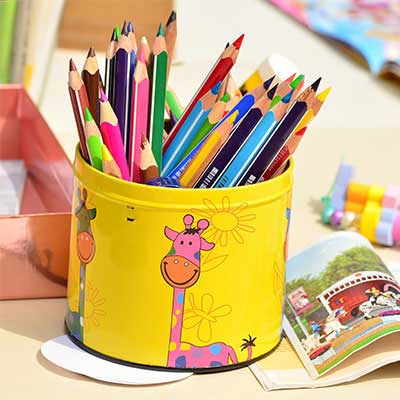
- Art Activities: Simple drawing, coloring, and crafting to promote creativity and self-expression. Engaging in art also helps develop fine motor skills and boosts confidence in expressing ideas visually.
- Music and Movement: Singing, clapping, and dancing to develop rhythm and coordination. These activities enhance listening skills, improve memory, and encourage social interaction through group participation.
- Imaginative Play: Encourage pretend play with dolls, blocks, and dress-up items to foster imagination. Role-playing different scenarios helps develop problem-solving skills and nurtures emotional and social growth.
Make Appointment
Get In Touch
#198,The Orchid, Rd No.2/2, Mathrusri Nagar, Miyapur, Hyderabad, Telangana. Pin : 500049.
+91 91775 34579
info@meglishkids.com
Photo Gallery

Newsletter
Your Monthly Dose of Updates, Insights, and Inspiration.